Health
WHO Issues First Global Guidelines on Child and Adolescent Obesity
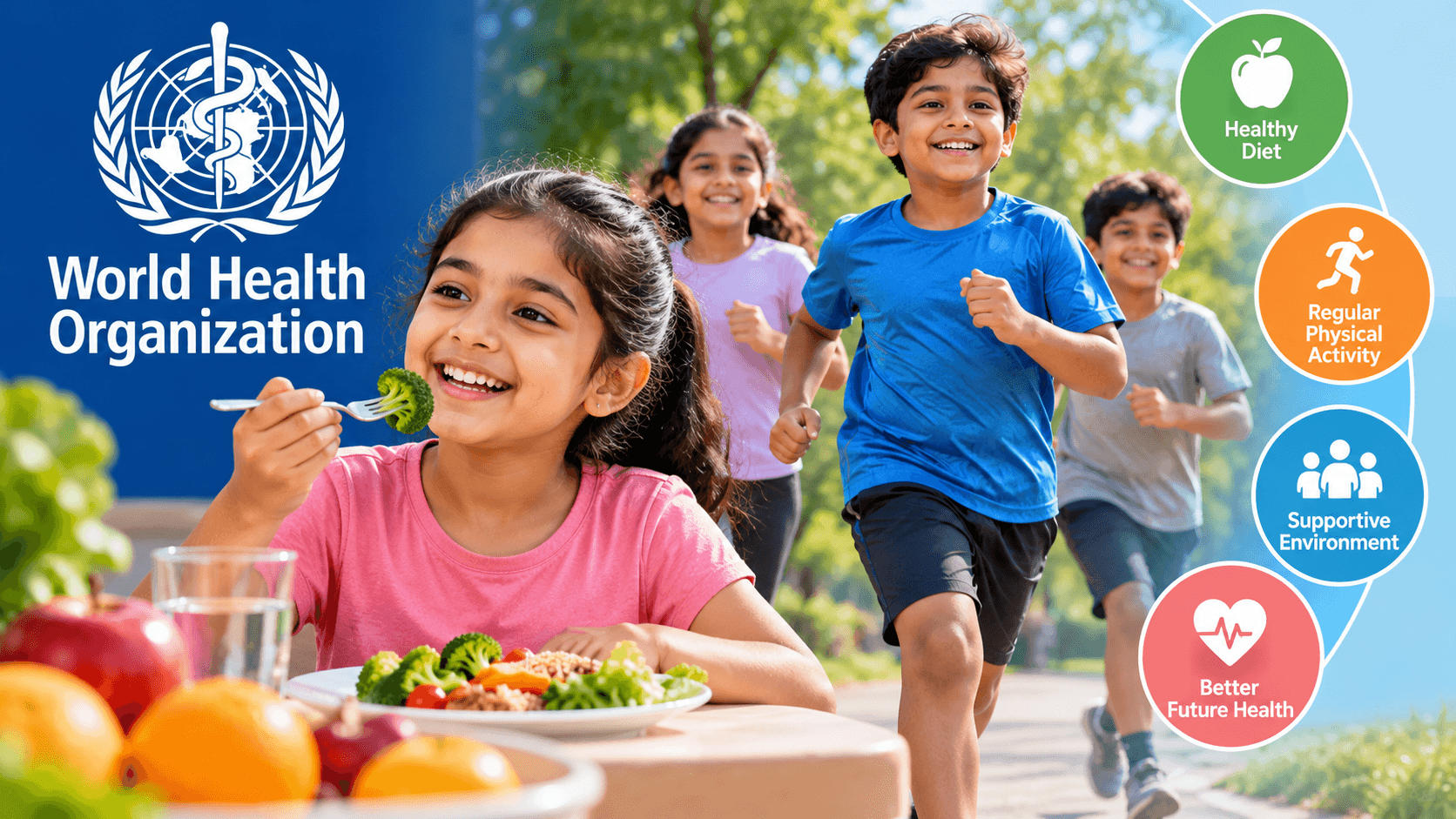
New Delhi: The World Health Organization (WHO) has issued its first global guidelines specifically addressing obesity among children and adolescents, calling for a stronger and more comprehensive approach to prevention and treatment. World Health Organization
The new guidance recognises childhood and adolescent obesity as a chronic health condition that can affect physical and psychological well-being and increase the risk of health problems later in life.
According to the WHO, governments and healthcare systems need to focus on prevention while ensuring that children and adolescents living with obesity have access to appropriate, evidence-based care.
Focus on prevention and long-term health
The WHO guidance emphasises the importance of healthy diets, physical activity and supportive environments for children and young people. Schools, families, communities and health systems all have a role to play in creating conditions that make healthier choices easier.
The organisation also stresses that children with obesity should receive care based on their individual needs rather than approaches focused only on weight.
The new recommendations are part of a broader global effort to address rising childhood obesity and its long-term health consequences.
Why the guidelines matter
Childhood obesity can continue into adulthood and is associated with a higher risk of conditions including diabetes and cardiovascular disease. The WHO's new guidance aims to help countries develop policies and healthcare systems that can respond to the problem earlier.
The recommendations also underline the importance of avoiding stigma and ensuring that children and adolescents receive respectful and appropriate healthcare.