Business
Airlines Q2 turbulence: Fewer passengers, rising fares and a crude shock
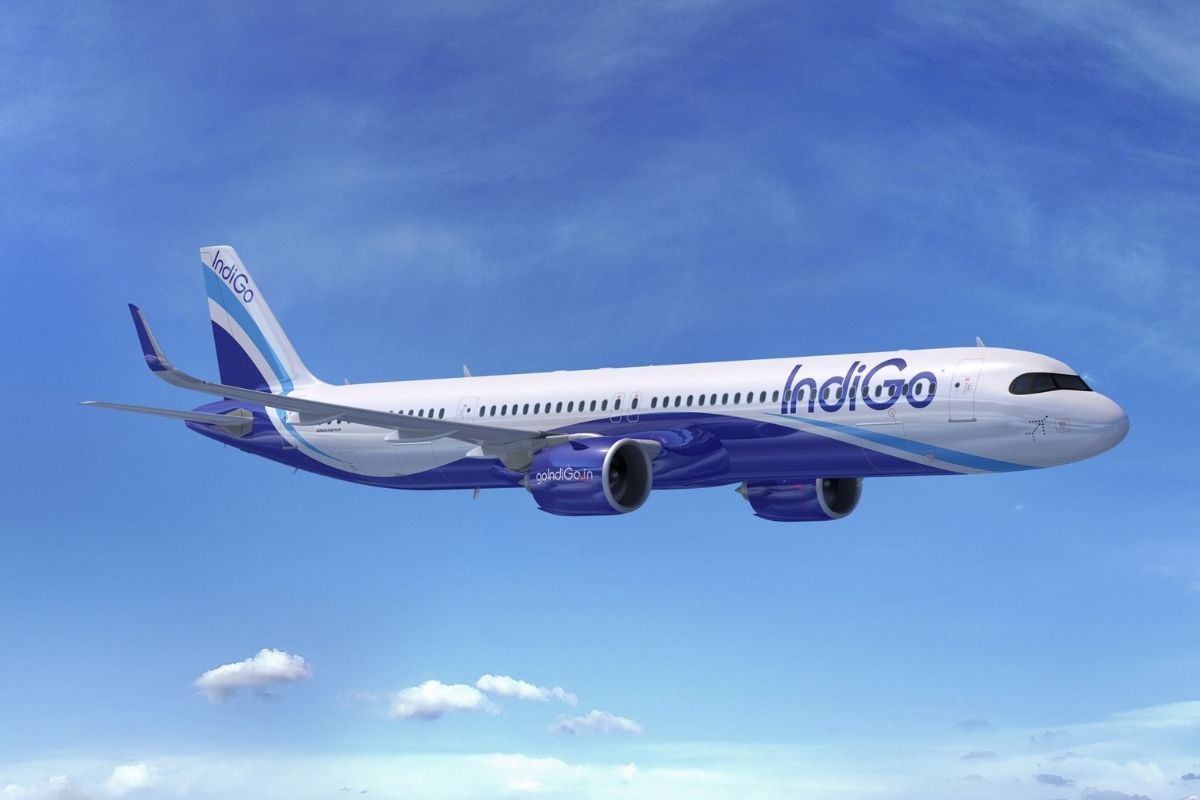
The airline industry is experiencing increasing turbulence in the second quarter, with several challenges affecting its financial performance. Passenger traffic has weakened in some markets, while ticket prices have moved higher, making air travel more expensive for consumers.
One of the biggest concerns for airlines is the increase in crude oil prices. Aviation turbine fuel is closely linked to global crude prices, meaning any sustained rise in oil prices can significantly increase airline operating costs. Fuel is already one of the largest expenses for most carriers.
At the same time, airlines are dealing with softer passenger demand. Fewer passengers can reduce revenue and make it harder for carriers to maintain profitability, particularly on routes with high operating costs.
Higher airfares are partly helping airlines offset rising expenses, but they could also discourage price-sensitive travellers. This creates a difficult balance for airlines: raising fares can improve revenue per passenger, but excessively high prices may reduce demand further.
The situation could become more challenging if crude prices remain elevated. Airlines may need to focus on controlling costs, improving aircraft utilisation, adjusting flight schedules and carefully managing ticket pricing.
Industry performance in the coming quarters will depend on several factors, including fuel prices, passenger demand, airline capacity, economic conditions and consumer spending.